A favourite activity does not need complete reinvention every time. Often a changed prompt is enough while the materials and basic sequence remain familiar. This creates variety without asking the group to learn lengthy new rules or acquire extra equipment.
First identify what worked
Ask which specific part worked: guessing together, the short duration, drawing or changing roles. Preserve that core. If free invention was the enjoyable element, adding many new restrictions may not improve the next session.
Also distinguish familiarity from boredom. Some participants want to repeat an activity because they now feel more confident with it. Novelty should not automatically outweigh the opportunity to develop an idea further.
Change one variable at a time
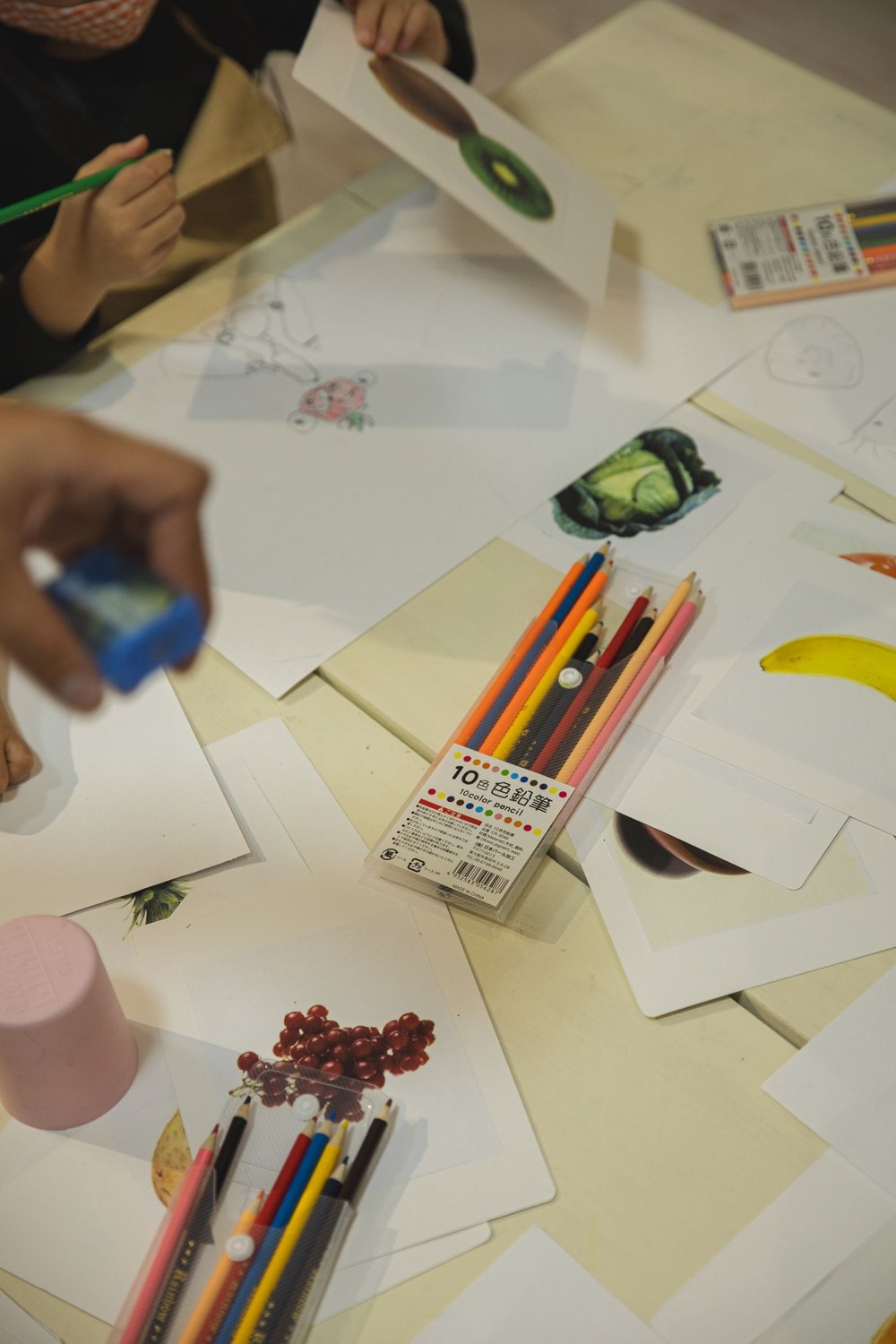
In a drawing activity, the same group might use different reference pictures or viewpoints this time. One person draws an object from the front and another from the side, then compares their decisions. Alternatively, everyone begins with the same simple picture and adds a different background.
The activity remains drawing and looking, but the focus changes. The aim is not to copy a reference perfectly. Ask which features became important from each viewpoint and what was left out of the image.
In a picture quiz, choose new subject groups instead of simply making every crop smaller. In storytelling, change only the location while retaining familiar characters. Such changes are easier to understand than introducing new rules, teams and scoring simultaneously.
Treat the variation as an experiment
Explain what changes and what stays the same. Try one short round first. Afterwards, everyone can say whether the adjustment was interesting or obscured what they previously enjoyed.
Keep successful versions with a short rule note. An unsuitable version need not continue merely because it is new. Return to the familiar arrangement and try a different single change later. A favourite activity can thus grow into a small collection of understandable possibilities.
Compare two versions side by side
For a drawing variation, place an earlier piece beside the new one. Rather than asking only which is better, ask what changed through the new viewpoint. Perhaps a previously hidden detail appeared, or the background became more important. This shows whether the variation opened a new idea without devaluing the earlier version. Both can remain in the collection as evidence of different choices rather than a simple progression from worse to better.