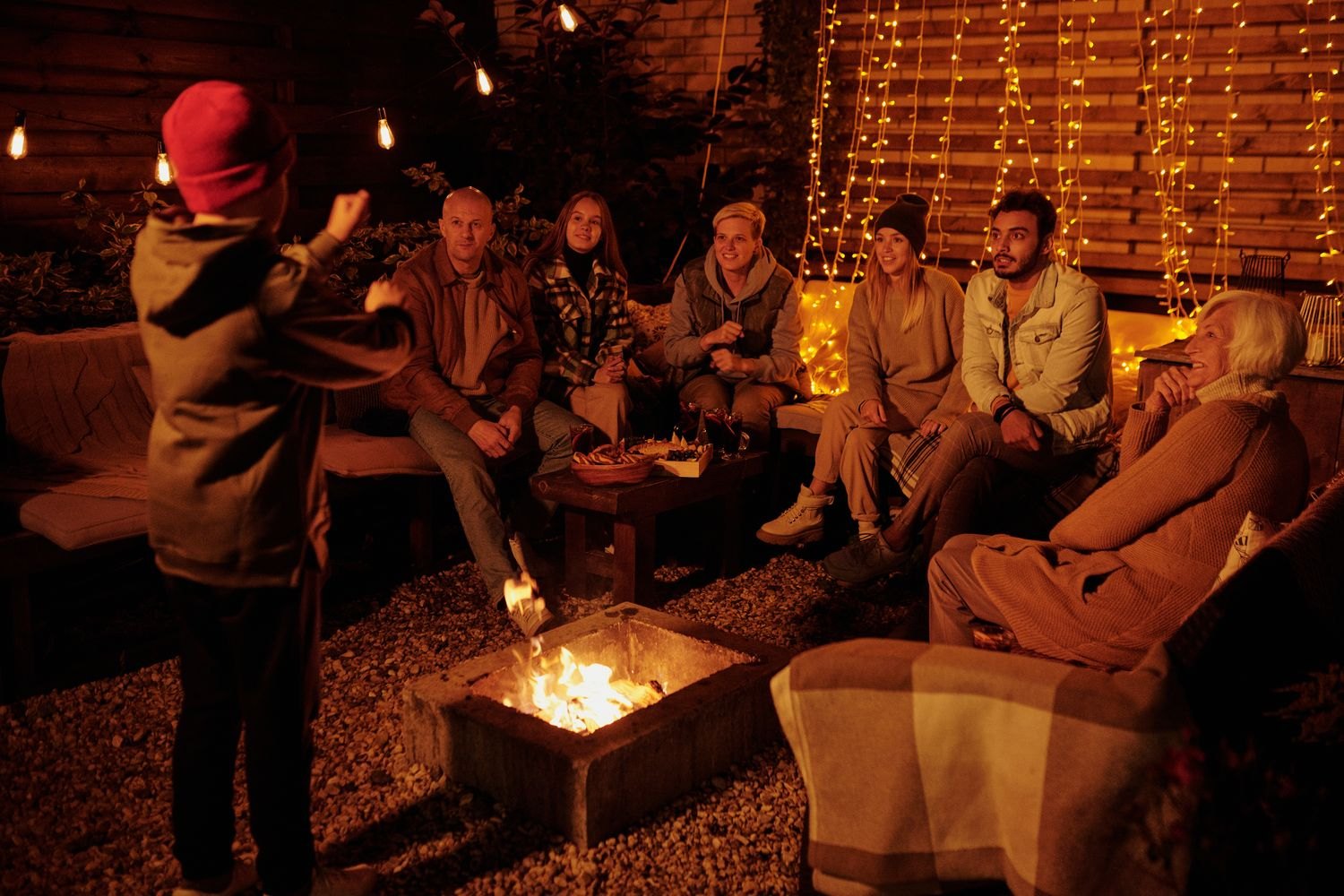
Charades works particularly well when a prompt can be acted out and the group shares the same rules. A difficult word does not automatically make a round more interesting. Much of the enjoyment comes from a recognisable action being shown in an unexpectedly different way without speech.
Choose actions rather than vague labels
Start with concrete actions, such as carrying a heavy suitcase, searching for a lost key or opening an oversized umbrella. These offer visible movements. Abstract words such as success or responsibility can form a separate, more challenging round later if the group wants one.
Avoid prompts familiar only to a few people through a specialist hobby. For film or book titles, establish the category and any permitted signals for individual words beforehand. Otherwise the difficulty comes from guessing unstated rules rather than interpreting the performance.
Play an unscored trial round
Establish whether sounds are allowed, how long a turn lasts and whether performers may exchange a prompt. Then demonstrate a simple task yourself. The group can ask questions before points matter.
Let people choose between acting, guessing and watching the time. Participation should not result from pressure. Someone who prefers seated movements can receive suitable prompts, with other tasks adapted accordingly.
Provide enough clear space without requiring furniture climbing or thrown objects. Actions are represented rather than literally carried out. A heavy suitcase does not require a real heavy suitcase, and a fall need not actually be performed.
Change difficulty through combinations
If the basic round works, combine an action with a situation: searching for a key while trying to remain quiet. This creates additional expressive possibilities without demanding specialist knowledge.
Finish a round while people are still interested and keep successful prompts for another occasion. Remove tasks that repeatedly caused confusion. A useful set of cards grows through these small adjustments rather than through collecting the most complicated words possible.
Improve prompts together
After a round, players can identify one prompt that was particularly workable. Discuss why: did it offer a clear movement, a visible goal or a surprising change? Write new cards using that principle without merely renaming the same action. This creates a set suited to the group instead of working through someone else’s list of unfamiliar terms. Keep exchanged prompts aside to review later rather than returning them immediately to the draw.