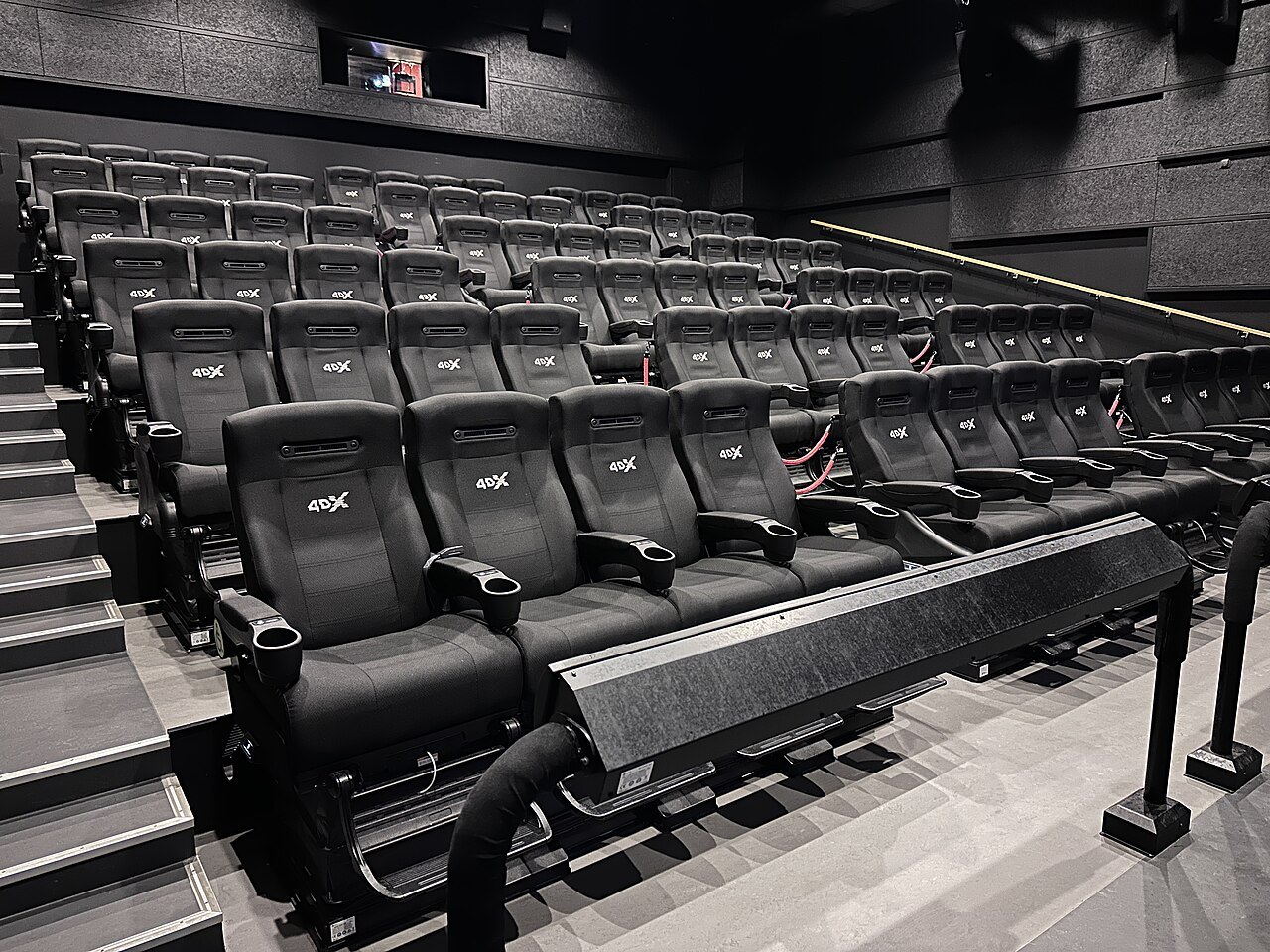

The best cinema seat depends on the auditorium and the person using it. A central position can provide a symmetrical view, but it does not settle every question about distance, steps or freedom of movement. A seating plan is a starting point rather than a complete account of the visit. In an unfamiliar cinema, first establish needs that cannot easily be changed on arrival.
Resolve access before choosing a row
If step-free access, a wheelchair space or particular assistance is required, begin with the cinema's information. Accessible positions are not located in the same place everywhere. BFI Southbank's guidance, for example, describes different entrances and positions for individual auditoriums. This demonstrates why a universal recommendation for one row would be unhelpful.
Where information is unclear, ask about the route from the entrance to the actual seat rather than only whether the building is accessible. Companion seating, toilets and possible obstructions may also matter. A marked position on a diagram does not always explain the complete situation on site.
Consider image size and distance together
A nearby seat makes the screen occupy more of your field of view. That may be desirable, but it can also require more eye movement. Further back, the image appears smaller and fine detail or text may become harder to distinguish. Row labels alone do not establish a preference, because auditorium dimensions and screen height vary.
After visiting a familiar room, record the row and seat alongside a concrete observation: subtitles easy to read, slightly upward viewing angle or frequent movement in the aisle. Such details help with the next booking more than a vague memory of sitting somewhere near the middle.
Choose the compromise deliberately
An aisle position may make leaving easier but may also sit further to one side and involve people passing. A central position can improve alignment while requiring movement through a full row to exit. During a long film, comfort may matter more than a small geometrical advantage.
Consider the specific screening too. Subtitles, an unusually large image or a particular event format can change your priorities. Avoid booking solely on the basis of an allegedly ideal distance in an unrelated auditorium. A suitable choice combines view, access and the ability to sit comfortably throughout. If essential information is missing, asking the cinema is more precise than following a general ranking.