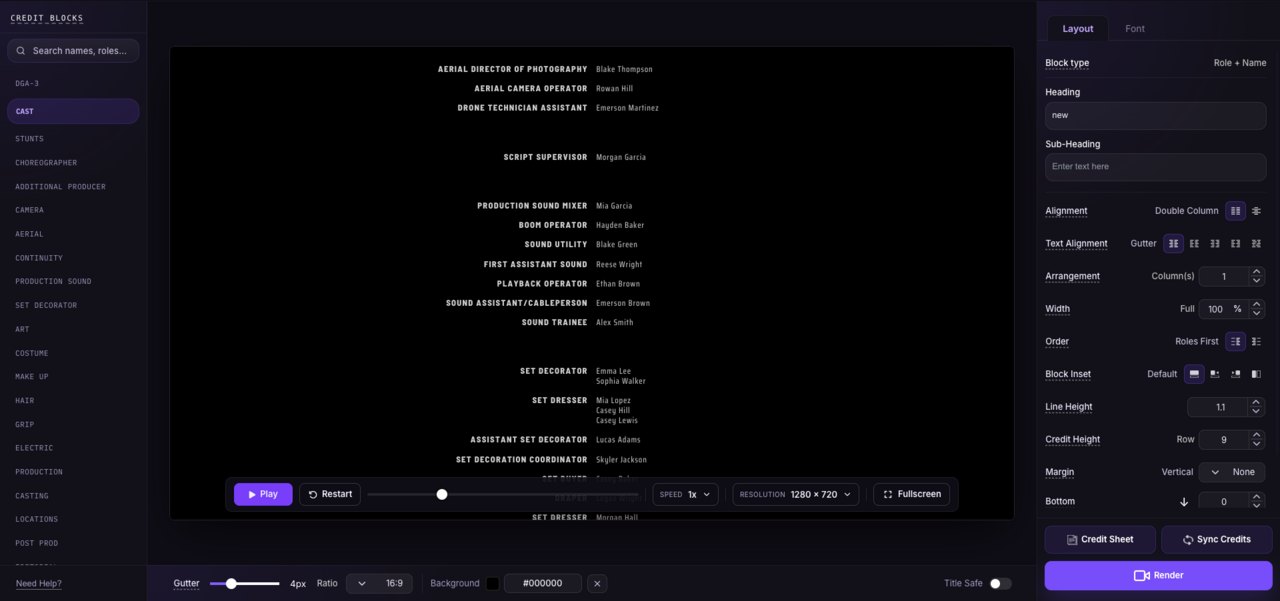

End credits reveal the many kinds of work that can contribute to a film. Viewers do not need to memorise long lists of names. A focused question is more rewarding: who designed the spaces, which music was used, or what does an unfamiliar job title mean? One such question can make the credits part of viewing rather than simply waiting time.
Move from an observation to a department
If the rooms caught your attention, begin with production design. ScreenSkills' professional descriptions identify this area with responsibility for a production's visual design. That does not mean one individual personally devised or made every visible detail. The surrounding names demonstrate how collaborative the work can be.
If the lighting interested you, the title gaffer offers another starting point. ScreenSkills places this role within lighting work. Camera, lighting and design nevertheless collaborate; a striking shadow does not identify a sole author. Credits give responsibilities rather than a complete history of how each shot was created.
Look up unfamiliar titles carefully
Copy a title as it actually appears and consult an industry explanation afterwards. Similar-sounding names can refer to different tasks, while terminology varies across countries and production types. A rough translation may not establish a precise responsibility. Keep that uncertainty visible when discussing what you have found.
Read music details closely
A song may appear with its title, writers and information about the recording used. These answer different questions. The person who wrote a song need not have performed the version heard in the film. If you want that particular recording, searching only for the song title may not be enough.
A separately released soundtrack album also need not include every piece used in the film or the same versions. Compare the details before treating a similar recording as identical. Note the scene in which the music occurs if necessary, so that an ambiguous title does not derail the search.
Interpret acknowledgements cautiously
A named place or supporting organisation does not prove that every scene set there was filmed there. Thanks may recognise many different contributions. Specific location questions require additional production information. The credits provide a starting point rather than a complete geographical map.
Follow one contributor further
Finally, choose someone whose work interests you and check another documented filmography entry. You might later notice a connection or a completely different approach. Both are more informative than assuming an unchanging personal style from two similar images. The value of the credits lies partly in opening further questions that can actually be checked.