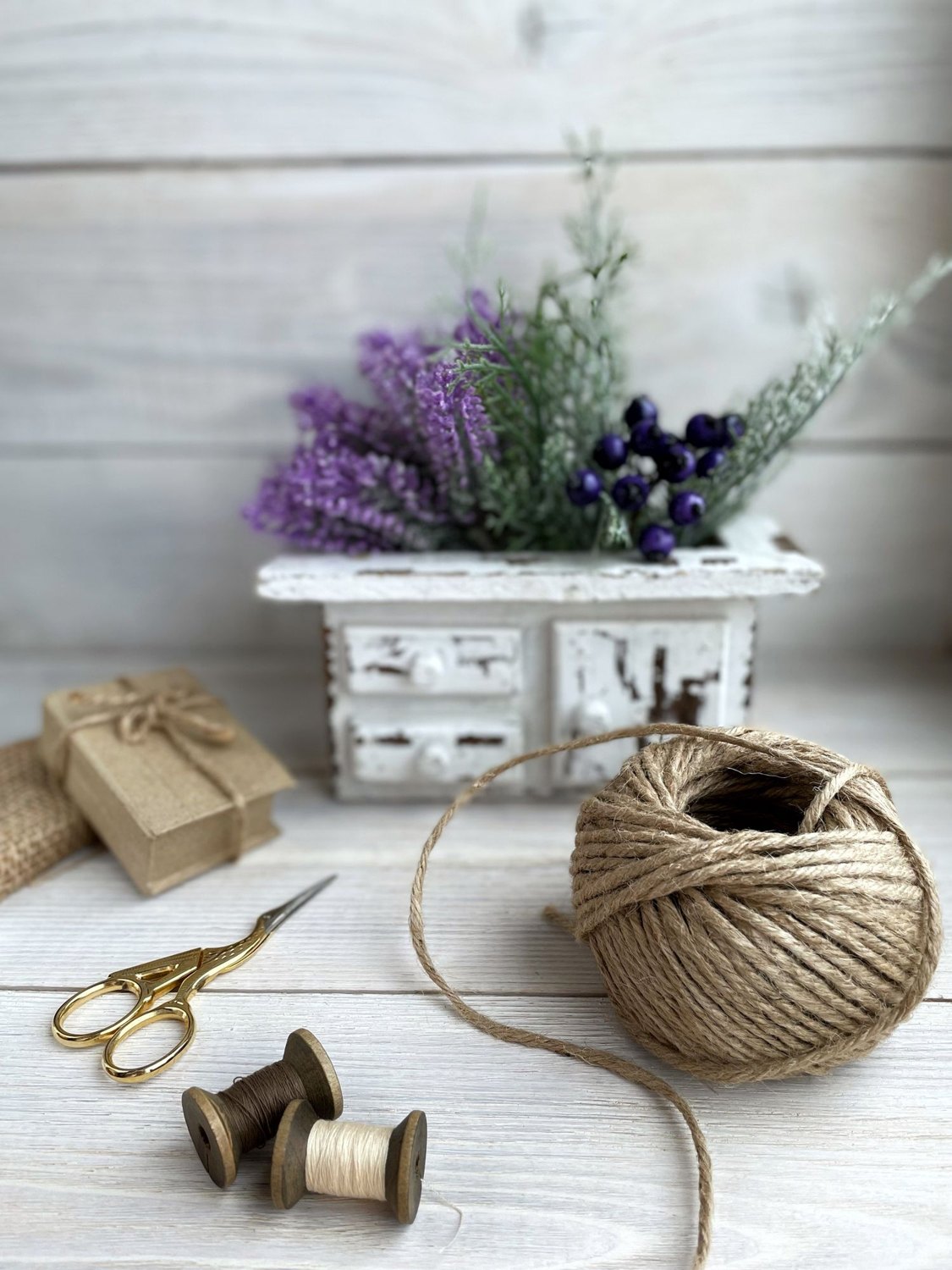
A shared leisure activity need not begin with a shopping list. Paper, boxes, pencils and suitable everyday objects may already provide a starting point. The key is to turn them into a clear task while considering preparation and tidying as well.
Take a small inventory
Gather only materials that may actually be used and are in suitable condition. Clean empty packaging might become a model town, with paper strips as roads or signs. Not every object saved for later is automatically suitable craft material.
Check the selection against the participants. Sharp edges, unsuitable small parts or unknown residues do not belong in a spontaneous activity box. Responsible adults decide on materials and supervision when children take part.
Use a limitation as a design task
For example, ask the group to create a place with two entrances from three boxes. The limitation makes starting manageable. Add decoration only after the basic idea works.
Another option is a shared picture in which each person adds one shape. Or invent a story from five existing objects. These tasks need less material variety than an indefinite instruction to make something large.
When something is missing, ask first what purpose it would serve. A stage curtain might merely mark the beginning and ending, which a turned-over sign could do instead. Thinking functionally does not mean trying to reproduce every piece of professional equipment.
Include time and reuse
Free materials can still require substantial sorting or cleaning. For a short afternoon, prefer items already ready to use. Preparation should not consume the entire period you intended to spend together.
At the end, decide what to keep and what returns to its original use. Label unfinished projects. If the group later uses the same materials differently, variety comes from the task rather than from continually acquiring new things.
Use one material in several ways
The same paper strips can become roads on a map, figures in a scene or folded place cards. Choose one possibility first and keep the others as later variations. A small stock becomes versatile without filling the table with several projects at once. Afterwards, decide together which pieces remain reusable and which have served their purpose. This makes reuse a deliberate part of the activity rather than an obligation to keep every scrap indefinitely.