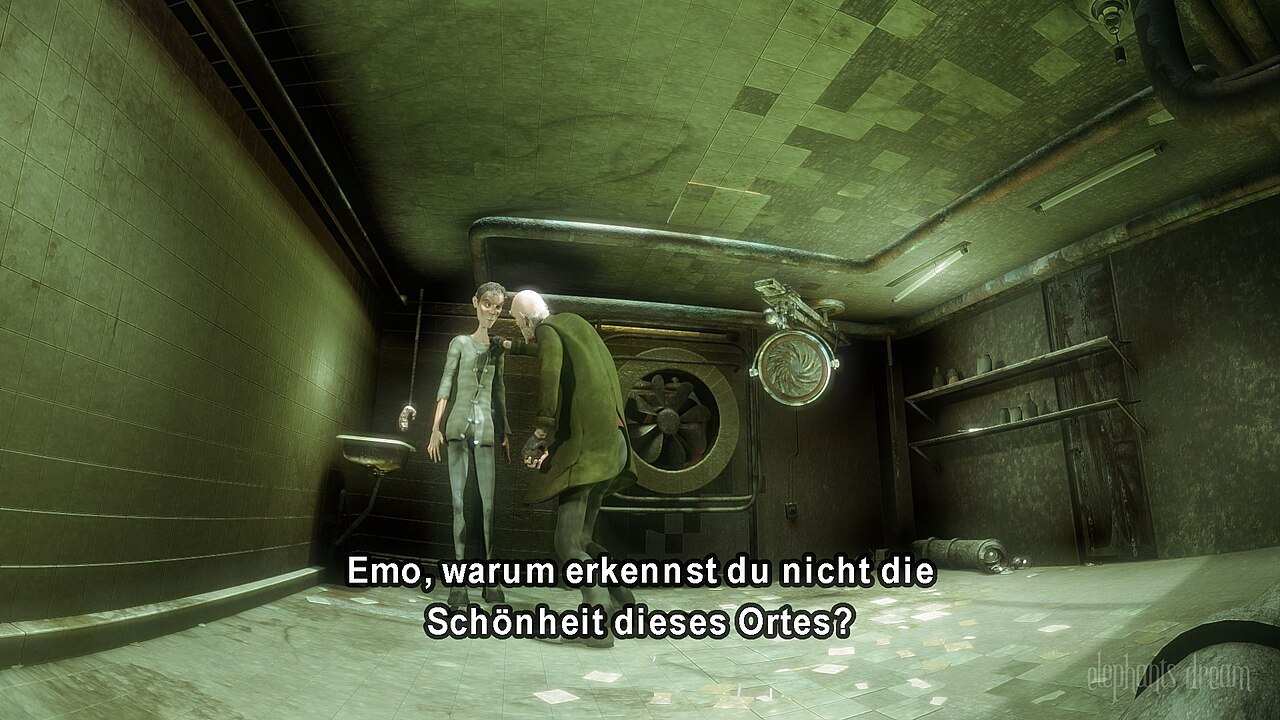

In a subtitled film, text, faces and movement compete for the same attention. This does not mean that something important must constantly be missed. Rather than trying to retain every word consciously, aim for readable text and a glance that returns to the picture once a sentence makes sense. The demands also depend on the film: a quiet conversation is different from rapid dialogue during a chase.
Choose the text track first
Subtitles translating dialogue and captions supplying additional sound information serve different purposes. A track intended for deaf and hard-of-hearing viewers may identify speakers or describe significant noises. Netflix marks available versions of this kind with SDH; availability varies by title. Check the options actually offered rather than assuming that a language label tells you everything about a track.
An unexpected translated line is not necessarily a fault. Some dialogue in another language can appear as text even when subtitles are switched off. Conversely, a story may deliberately leave speech unexplained. If the character also cannot understand the language being spoken, notice their response before treating an absent subtitle as a technical problem.
Check readability before settling down
Choose text size and contrast from your actual viewing position. A short conversation makes a better test than a title screen. If you need to lean forward or narrow your eyes, the arrangement is unlikely to suit a long evening. Where appearance controls are available, a restrained background can help when white clothing or snow appears behind the lettering.
Oversized text also occupies space and may turn a short sentence into several lines. Find a setting that lets you read comfortably while obscuring as little movement as possible. Not every device offers adjustments, and text permanently embedded in the picture cannot simply be restyled. A change of seating distance may then help more than a prolonged search through menus.
Let your eyes return to the picture
Read a unit of meaning, then shift attention to the person speaking or reacting. The text will often remain visible briefly. You do not have to spend that interval reading it again. Posture and movement also remain partly within your field of view while you read; there is no need to check every visual detail individually.
Imagine someone saying that everything is fine while another person silently packs a bag behind them. Once the short sentence has registered, the new information lies in the movement. Rereading the same words cannot supply it. This is why treating subtitles as an uninterrupted page of prose can make a scene harder, rather than easier, to follow.
Know when to pause
A significant name, a surprising revelation or several overlapping speakers can justify a brief rewind. Stopping after every line, however, changes the rhythm and suspense. If the main action remains clear, save minor uncertainties for afterwards. Revisiting one scene can resolve more than repeatedly interrupting the first viewing.
If reading remains tiring throughout, another available version is a reasonable choice. For a shared screening, consider the person who has the greatest difficulty seeing the text. Agree on language and readability before starting so that nobody needs to explain an unsuitable setup during the decisive scene. The aim is to follow the film together, with an arrangement that supports the people actually watching.