
In ambient music, a new section need not announce itself with a clear beat or another chorus. Changes may grow gradually into the sound. Waiting for a constantly prominent melody can mean overlooking precisely that movement. One approach is to attend briefly to density, distance and decay, without turning sustained concentration into an obligation.
Establish a manageable listening space
Choose one piece or a clearly limited extract. Set a comfortable volume and avoid immediately adjusting it whenever the music becomes quiet. If sounds in the room draw attention, acknowledge them rather than unconsciously attributing them to the recording. No particular technical setup is needed to make that distinction.
First notice which sounds seem near and which seem distant. These words describe an impression rather than a proven microphone distance. A quiet, lingering decay can feel spatially different from a short, dry entrance. Many production decisions can create that effect, and they cannot reliably be reconstructed from the finished piece alone.
Follow a change over time
Find a sustained texture and remain with it for a while. Does it become brighter, denser or more unsettled? There may initially be no obvious alteration. Compare the beginning with a later point rather than continually jumping between adjacent seconds. A gradual shift often becomes clearer over a wider interval.
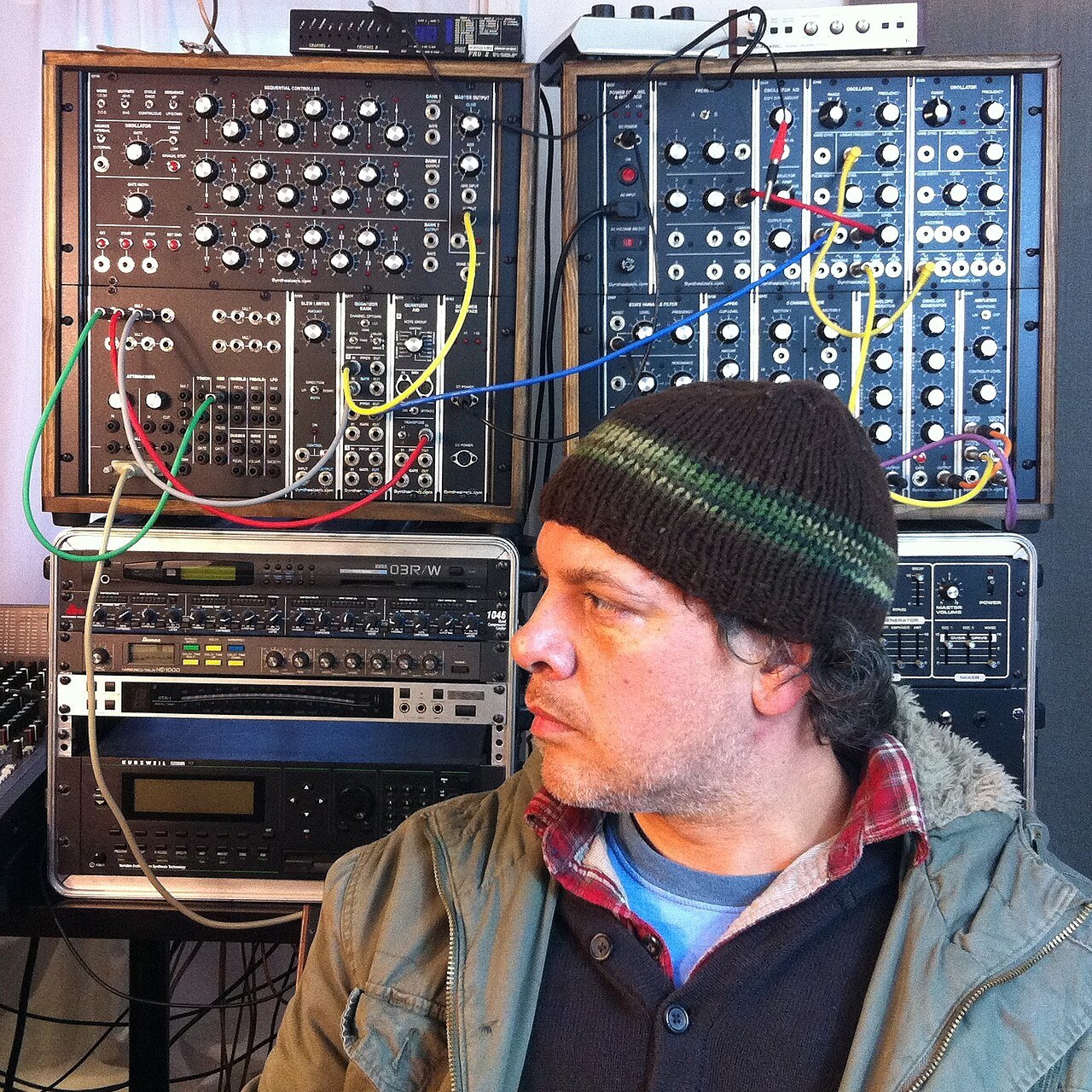
Ableton's interview with KMRU describes his use of field recordings and electronic sounds. This provides one example of mixed materials, not a prescription for the whole field. You need not identify every sound as wind, traffic or a particular device. An uncertain source can remain part of the experience.
Listen beyond the arrival of new events
Notice how long a sound persists and what remains audible between entrances. Small differences can connect a very sparse passage. Constantly waiting for a major change may impose an expectation the piece has not established. This does not require you to find every passage interesting.
Afterwards, two precise impressions are enough: a texture gradually became rougher; isolated short sounds seemed increasingly close. Such descriptions provide a starting point for another hearing. If your attention wandered, you can return to that place. Attentive ambient listening does not mean suppressing every thought; it means repeatedly returning to audible changes. A later listen may reveal a different relationship, especially when a previously unnoticed background becomes the focus.