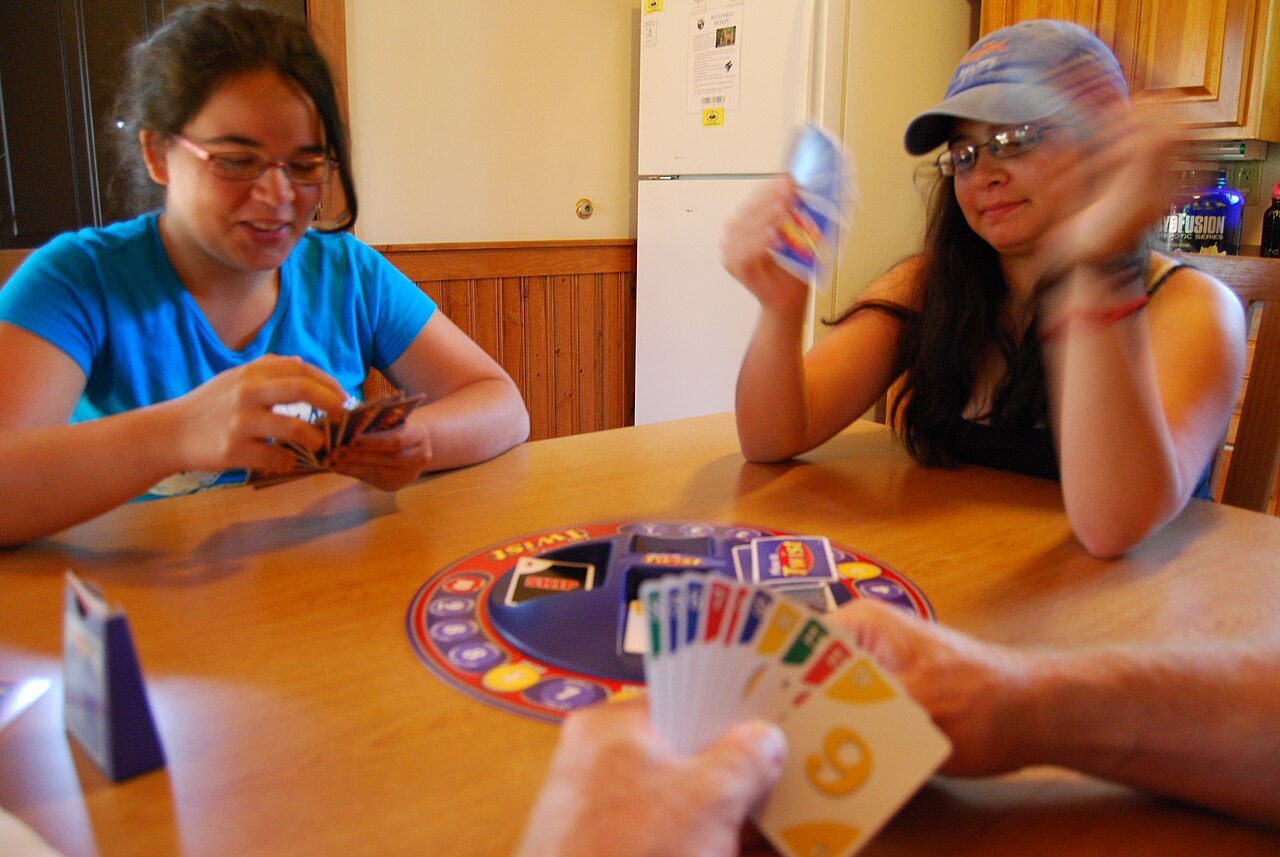

Four people sit down, but only two know the game. Repeating every rule bores some players, while a quick reminder leaves others behind. The solution is not to force everyone to have identical knowledge. Each person needs to understand their next decisions and should not discover an important rule only after suffering a disadvantage because nobody explained it.
Ask about specific experience
Find out whether people know this exact game, similar mechanisms or few modern board games at all. “I play a lot” does not reveal whether card combinations, hidden objectives or action selection are familiar. Explain unfamiliar terms using the components on the table. A worker, for example, can first be described simply as a piece that occupies an action space.
Experienced players can sort components or prepare an example turn during the explanation. They should avoid constantly adding exceptions. Agree that one person will lead the explanation and others will contribute only corrections that matter immediately. Otherwise, newcomers end up listening to a conversation between experts instead of learning how to participate themselves.
Make help visible and optional
In an open first round, demonstrate two legal choices and their different consequences. Avoid presenting one as the supposedly perfect move. “Would you like a hint?” leaves a real choice. Unsolicited commentary on every decision can make a leisure activity feel like an examination, especially when an experienced player speaks with complete certainty.
Hidden information requires a boundary. Someone who has inspected another player’s hand cannot later forget it. An open learning game or a voluntarily formed coaching team is therefore often clearer than private assistance during ordinary competition. Everyone should know which support is being offered and whether the outcome will count as a normal competitive result.
Reconsider after the first game
A decisive victory does not prove that the game was unsuitable. Ask instead whether decisions became understandable and whether another round sounds appealing. Repetition may be enjoyable precisely because rules no longer demand all the attention. Let newcomers describe what they would like to try before experienced players deliver a strategic analysis.
If the experience gap remains uncomfortable, choose a different game next time with familiar decisions or shorter rounds. Do not secretly make poor moves to arrange somebody else’s victory. An openly agreed learning aid respects everyone more than a supposedly generous win that the recipient did not ask to receive.