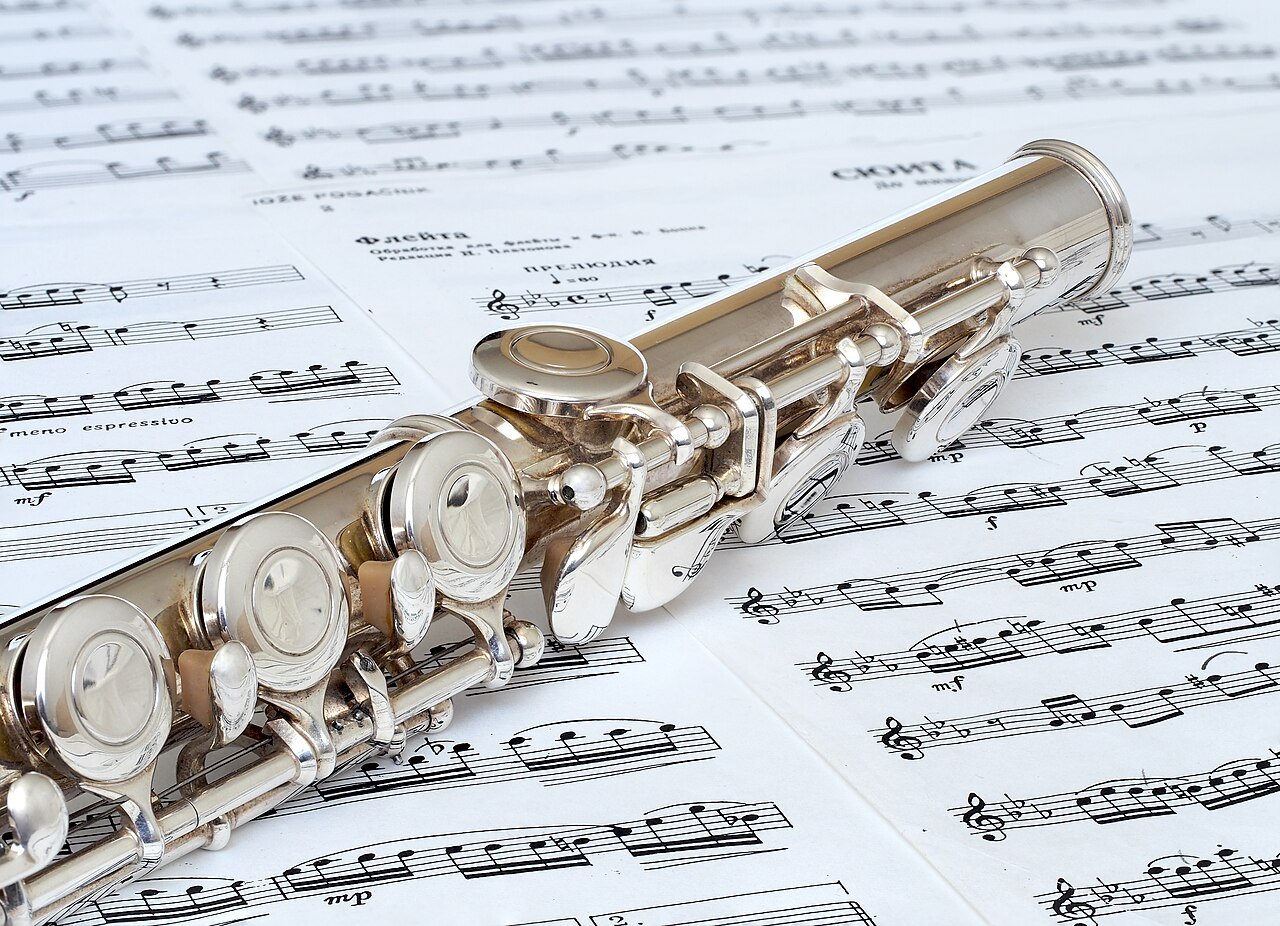

An orchestra becomes easier to follow when its sound no longer arrives as one large mass. Strings, woodwinds, brass and percussion provide a starting division. Carnegie Hall's orchestra map uses these four families for orientation. The groups do not yet tell you who carries the melody, supplies rhythm or sustains a texture. Those functions change within a work.
Begin with a clear entrance
Find a passage where one group stands out. Follow its sound briefly before searching for another instrument. An educational video or orchestra map with examples can help identification. Then hear the same passage without the picture, so that remembering visible movement is not mistaken for secure recognition by ear.
Families cannot reliably be assigned solely from the material visible on an instrument's surface. Their names belong to a musical classification shaped by playing method and tradition. If identification is uncertain, describe the audible entrance and register first. A careful perhaps is more useful than false certainty.
Follow a melody as it changes hands
Listen for a recurring figure passing to another group. Does it remain prominent or combine with additional parts? Tone colour may reveal the transfer even when the melodic direction stays similar. This makes instrumentation audible as more than adding many sounds simultaneously.
On another pass, attend to a group that is not currently carrying an obvious tune. Does it sustain notes, repeat short movements or remain silent? The effect of a featured instrument depends partly on the space left by others. A group's silence is therefore part of the design too.
Do not infer a fixed seating plan from one recording
A stereo image can offer spatial clues without representing a universal orchestral layout. Seating and recording choices differ. If the actual ensemble matters to you, consult programme information or reliable details about the recording. A sound on the left does not by itself establish a particular position in the hall.
Finally, choose a handover between two groups and describe its effect. Perhaps the same idea seems lighter, sharper or denser. Support the description with the audible change rather than an instrument name alone. The family map then becomes a listening aid instead of a checklist to complete while the music plays. You can return later to another group without needing to identify every participant during a single hearing.