
A rulebook serves as both an introduction and a reference. Those purposes do not always suit the same order. On a first reading, you want to understand what happens at all; during play, you need an exact answer to an edge case. Separating those tasks means you do not have to retain every paragraph immediately. Start with a dependable picture of the normal sequence.
Begin with the objective and ending
First locate what ends the game and how the result is determined. That gives later actions a purpose. Resources that merely enable development mean something different from resources that score directly at the finish. Knowing the distinction makes the same collection or spending action easier to interpret.
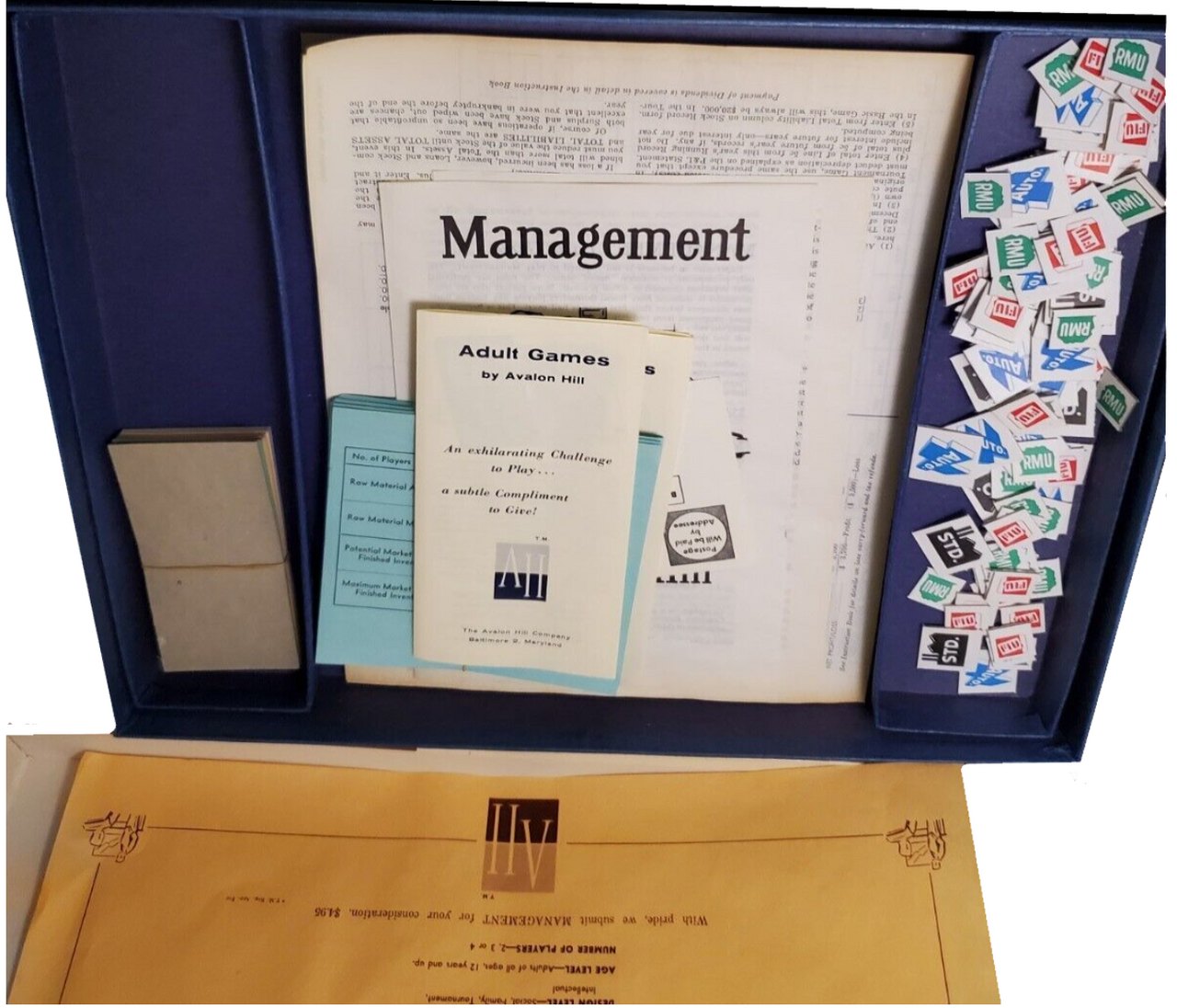
Next, skim the component list and put the main pieces in front of you. Connect terms with visible objects. Supply, display and discard may sound related while describing distinct locations. Misunderstanding one of those areas often causes more trouble than not yet knowing an unusual special card.
Carry out a normal turn
Read the setup and create a small legal starting position. Then physically perform an example turn. If an action has a cost, move the relevant resources. If a card is discarded, place it in the named area. Physical actions reveal gaps that can remain invisible during silent reading.
Record questions briefly instead of immediately searching the entire appendix for every unfamiliar symbol. The following section may answer some of them. Afterwards, return specifically to the questions still unresolved. This preserves the main sequence while allowing detail to accumulate in a manageable way.
Pay attention to precise wording
Distinguish must from may, immediately from at round end, and exactly from up to. An optional effect may offer a choice where a compulsory one does not. “Up to three” can permit fewer, while “exactly three” establishes a different condition. Read the complete sentence and its context before deciding what the wording allows.
Examples have limits too. They illustrate a rule but do not necessarily describe every situation within its scope. If an illustration and text appear inconsistent, look for an official correction or clarification for that particular edition. Do not automatically apply an answer written for an earlier version with different procedures.
Ask a precise unresolved question
Instead of asking only how a card works, describe the state: which phase is active, which effect triggered, what resources are available and which step is unclear. Include the relevant rule passage. An official FAQ or an experienced player can then address the same situation rather than guessing what happened.
If a social evening produces no reliable answer, agree a temporary interpretation for the current game and record the question. Clearly label the decision provisional. A confident assertion does not become an official rule merely because it allows play to continue more quickly.
Shorten the next explanation
After a complete rehearsal, write a small personal reminder covering setup, turn order and the ending condition. It need not become another full rulebook. Refer back to the original for rare exceptions. Teaching other people mainly requires a clear ordinary turn and the rules that materially affect their first decisions, with a reliable place to find the remaining detail.