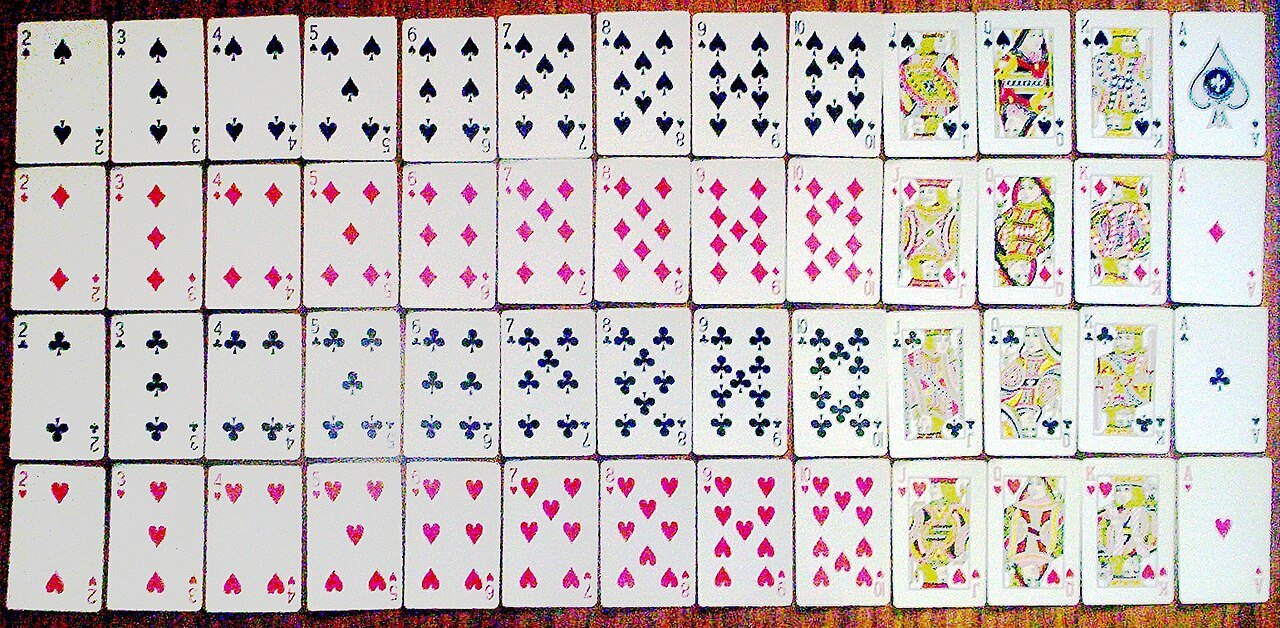

Three identical cards look like a completed collection. In another game, three different symbols earn the reward instead. Set collection means assembling specified combinations, not following one universal scoring method. Reading the condition carefully makes it easier to see when collecting more helps and when beginning a different set would be more useful.
Look at the scoring sequence
Consider an invented example: one symbol scores one point, two matching symbols score three, and three score seven. The third card increases the total by four points, making its contribution larger than that of the first. Another system may require only a pair, with a third card adding nothing at all.
For complicated scoring, place the permitted set sizes beside their total values. Distinguish total points from the increase produced by an additional card. Awarding seven extra points for the third card, when seven is actually the whole set’s value, greatly exaggerates its importance. A short worked example prevents this common misunderstanding before it affects decisions.
Completion can involve risk
Some collections count only when complete. A half-finished group is then not automatically worth half the reward. Check how many opportunities remain and whether the missing piece is realistically obtainable. Visible competition for the same card can make an already uncertain plan more fragile.
Other games permit several smaller sets or provide a trading mechanism. A duplicate may remain useful in those systems, but do not assume such a possibility simply because another game offered it. Also establish whether one card can contribute to several combinations simultaneously. That detail can completely change how a collection should be evaluated.
Keep the collection readable
Arrange public cards according to the feature that actually scores. If colour matters, make colours apparent; if sequence matters, show the sequence clearly. Hidden information must remain hidden. An attractive arrangement should not accidentally reveal the contents of your hand through the way you group or hold cards.
Before the first scored ending, work through a small example. Everyone should be able to explain which cards belong together and why. Collecting then becomes a choice about priorities rather than an attempt to build the largest pile. For the next game, remember one specific missed combination and the moment when changing direction would still have been possible.