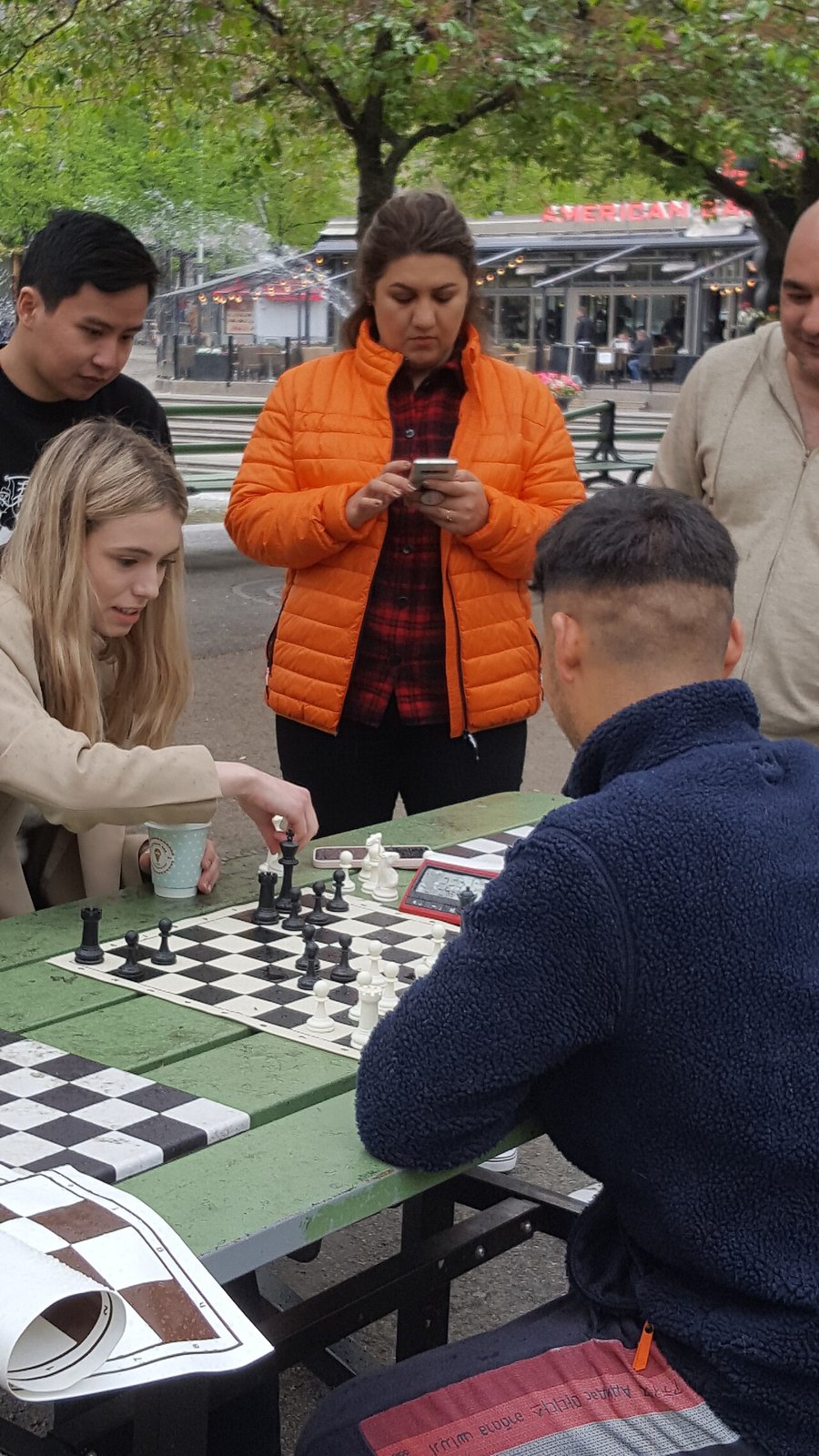

A game may permit two players while changing substantially from its larger-group form. Reduced competition, a less crowded board or extra neutral pieces can affect decisions. If you regularly play as a pair, examine the actual two-player rules. An edition designed specifically for two is also not simply the same game with fewer participants.
Where does the tension come from?
In a direct duel, almost every intervention affects the other person. That can be engaging, but it can also feel demanding when you want a quiet evening. A game with largely separate personal displays allows more parallel planning. Both forms can be challenging; the distinction concerns interaction rather than automatically indicating difficulty.
Check whether important mechanisms depend on several participants. Negotiation, shifting alliances and majorities can function differently with two. An extra neutral party may supply missing competition, but managing it adds work. Read through a complete turn of that variant rather than relying only on the printed player count.
Consider pace and information together
A short wait between turns does not necessarily make a game relaxing. If every move changes the whole position, constant recalculation may be required. Conversely, longer periods of personal planning can be pleasant when both people enjoy that concentration. Discuss whether conversation alongside the game matters to you.
Open information supports deliberate planning ahead. Hidden cards and chance introduce different uncertainties. When experience levels differ, a manageable set of choices can help more than numerous special abilities. An open introductory round reveals which information the other person actually understands, without treating early hesitation as a lack of interest.
Begin with a complete, manageable game
Allow time for setup, explanation and scoring. Two short, completed games often reveal more than a long game abandoned before its end. Where the rules allow, change the starting position or starting player so your comparison does not depend entirely on one opening move.
Afterwards, record something concrete. Were decisions interesting until the finish? Did the neutral party constantly require checking the rules? Did both people want another game? These answers are more useful for your next choice than a general claim that one title is ideal for every pair. Keep preferences separate too: enjoying the mechanism does not mean enjoying that theme, duration or level of confrontation every evening.