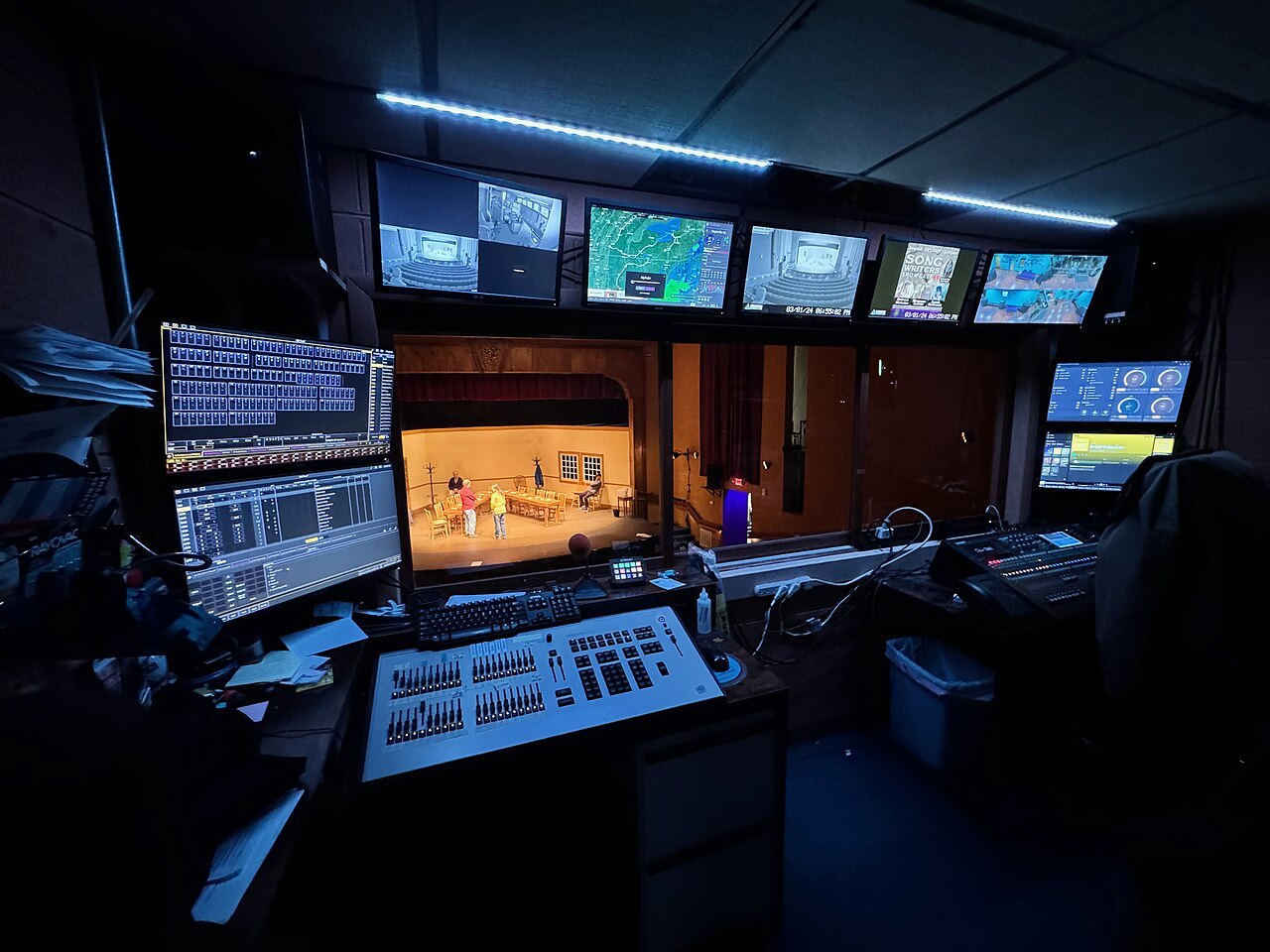

What appears effortless and simultaneous on stage often comes from collaboration between many departments. Set design, costume, lighting, sound and performance coordination have different responsibilities. Noticing this work broadens your view of a show without requiring backstage access.
Distinguish design from delivery
A design may establish the spatial or visual idea being pursued. Delivering it requires materials, technical possibilities and working procedures to fit together. Exact job titles and responsibilities vary with the venue and scale of the production.
A small project may combine several tasks in one person, while a large production may distribute them among many specialists. Do not read a credit list as a universal organisational chart. It describes the collaboration behind that particular project.
Observe one transition closely
After the performance, choose a scene change you remember. Perhaps the lighting changed while an object moved and a sound began. Consider which visible and audible elements worked together.
Coordinating such sequences belongs to backstage operations and performance management. You do not need to claim knowledge of the internal procedure. Begin by describing only what the audience could actually perceive.
Costume communicates more than colour and historical period. It can support movement, distinguish characters or make change visible. Observe what a costume did within a scene rather than speculating about unfamiliar materials or production times.
Learn more through specific sources
Programmes and official workshop reports can explain responsibilities. Public tours or educational activities offer another route where the venue actually provides them. Check their conditions and dates rather than assuming backstage access is freely available.
On a tour, ask a specific question, such as how a visible scene change is prepared. Respect restricted areas and recording guidance. For your own small projects, the most transferable lesson is the working method: define responsibilities, rehearse transitions and discuss changes together. Technical stage equipment remains the responsibility of the people authorised to operate it.
Read credits attentively
Look in the programme for a department whose contribution you noticed, such as lighting or costume. A name connects the visible result with credited work. Do not confuse leadership of a department with a claim that one person performed every task. Credits can reveal the collaborative structure precisely because they name different responsibilities.