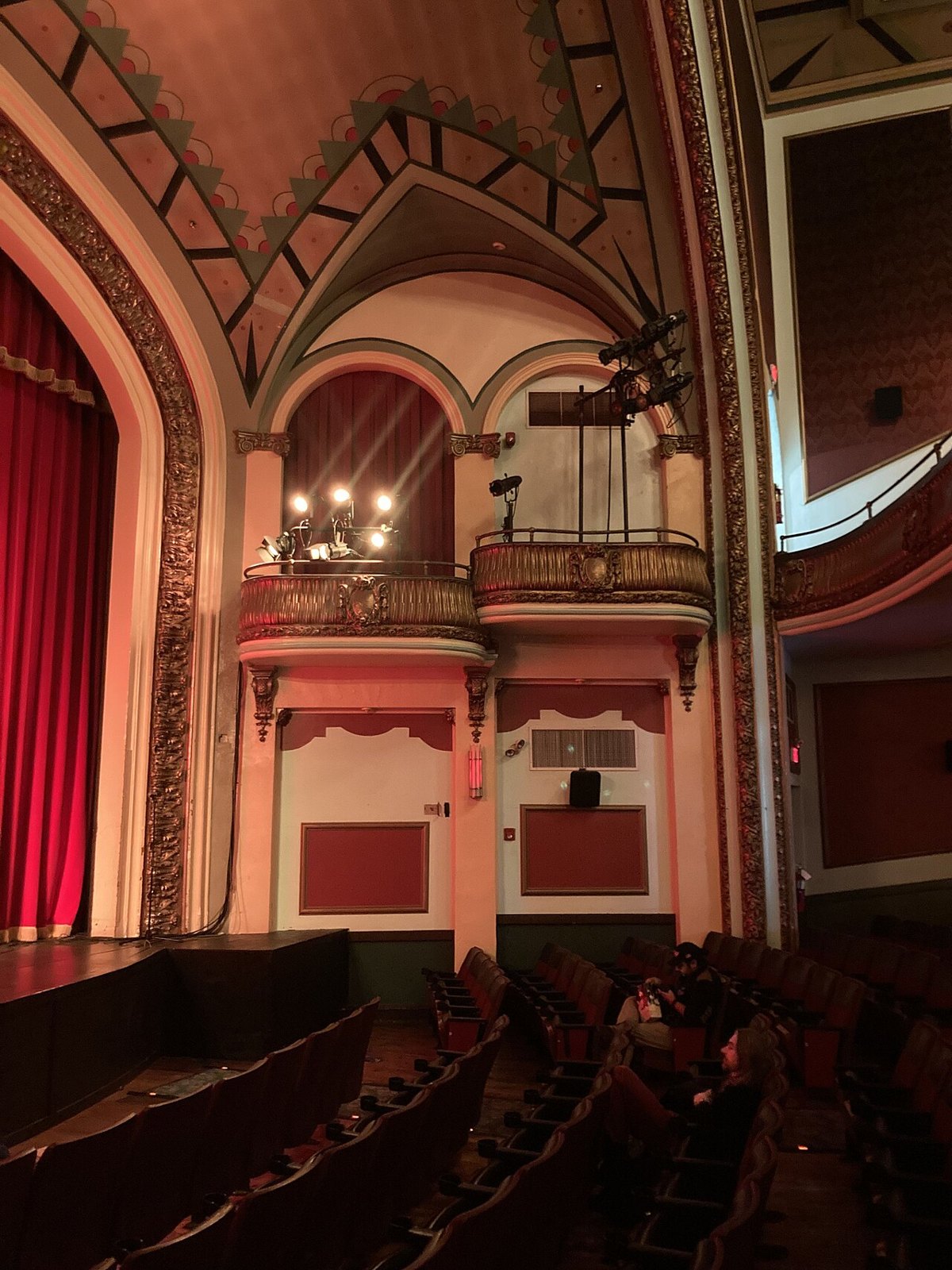

“Restricted view” can describe very different conditions. A railing, column or side angle can each conceal different parts of a performance. The label is therefore a starting point for questions rather than a complete description of the experience.
Ask what causes the restriction
Record the row and seat number and ask what obstructs the view. Is part of the stage permanently concealed, or does the warning concern something such as a display above it? Information about the actual seat is more useful than a general judgement about the balcony.
Also ask whether the assessment applies to the current production. Stage layouts and performance areas can change. A photograph of an empty stage does not necessarily reveal where important scenes will occur.
Connect the performance with your needs
Readable surtitles may be essential for an opera in an unfamiliar language. With dance, you may particularly value the overall stage picture. At another event, seeing a screen may matter. The same restriction can therefore have different consequences.
Do not assume that leaning forward is a lasting solution. It may be uncomfortable and affect other guests’ views. Instead, ask whether the important areas are visible from a normal seated position.
If someone in your group has particular requirements, do not simply measure them against your own tolerance. A seat you find acceptable may be unsuitable for someone who relies on seeing faces or text displays.
Make a documented choice
Keep the seat description and any response with the booking. Before buying, check exchange or refund conditions without assuming that a later solution will be available. A venue may not be able to offer another place on the evening.
If the restriction remains unclear and a particular view is essential, choose a better-established option. A lower price does not automatically make an unknown compromise worthwhile. The aim is an informed decision for that evening, not a general rule against side seats or less expensive places.
Formulate a useful follow-up question
Instead of asking “Is this a good seat?”, ask whether the full acting area is visible from the specified row and seat in a normal seated position, and whether the text display remains unobstructed. This gives the ticket office something specific to answer. If it can confirm only a general restriction, that uncertainty remains part of your decision.