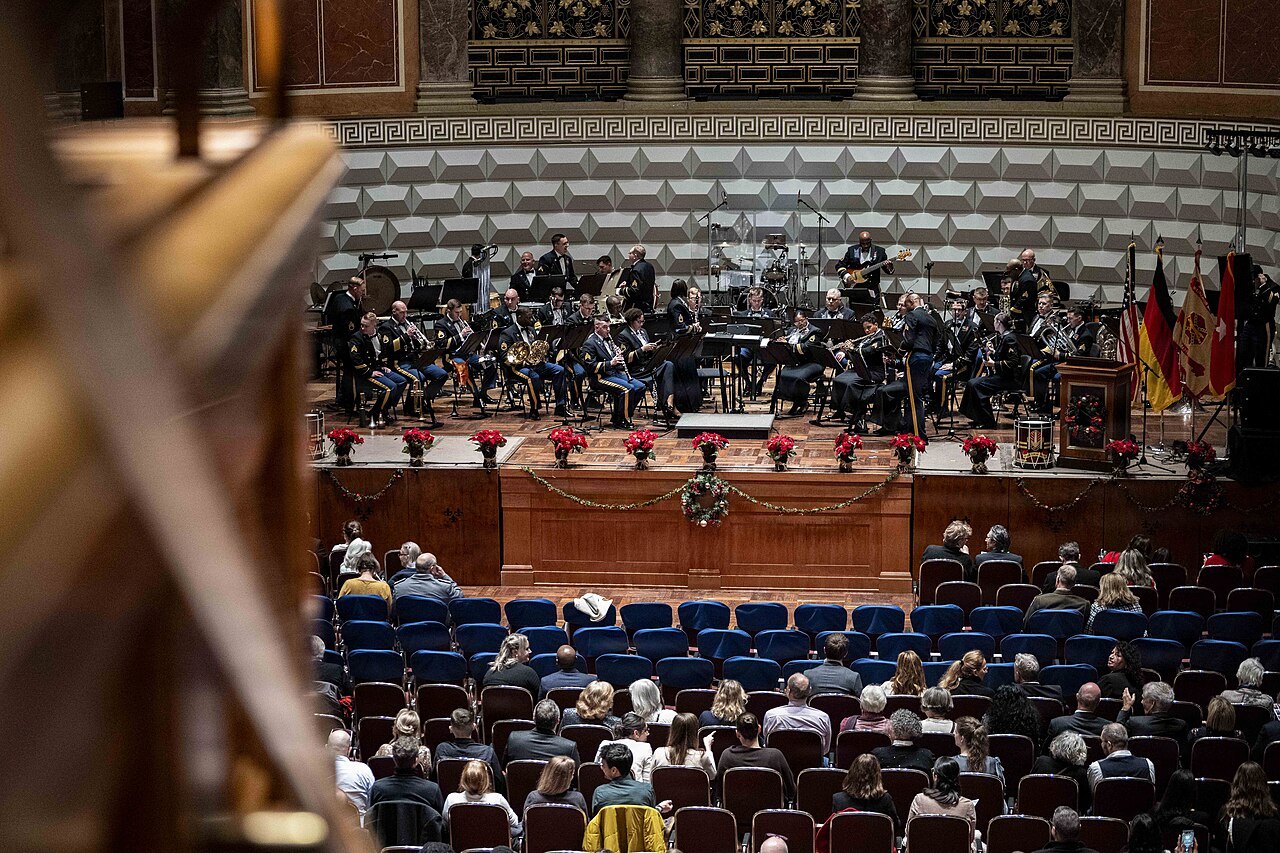
Standing and seated initially describe ticket types rather than the quality of a concert experience. A seat can have a restricted view, while a standing area can vary in density. What matters is which conditions are important for you and your companions on that evening.
Read what the ticket actually provides
Check whether seating is allocated or unreserved. Standing tickets may cover separate areas, and a general venue plan may not show the current stage configuration. Use information for the particular event.
A seated ticket does not guarantee that everyone in front of you will remain seated throughout the concert. Equally, a standing ticket does not mean unrestricted movement between every area. Ask if these distinctions materially affect your choice.
Consider the whole time at the venue
Include admission, possible support acts and the route to your place. The question is not simply whether you want to stand for the headline performance. If a fixed seat is necessary, confirm that it is explicitly available and can be booked appropriately.
Within a group, different needs may matter more than shared proximity to the stage. Before buying, decide whether adjacent seats or another arrangement makes sense. Nobody should discover at admission that the chosen area is standing only.
Think about sightlines too. Height, railings, stage height and distance can affect the experience. Photographs provide clues but do not replace reliable information about the particular row and event.
Set priorities before comparing prices
Write down two essential features, such as a guaranteed seat and step-free access. Compare available tickets only after establishing these. This prevents a lower price from being confused with a suitable place.
Some people value the freedom of a standing area; others prefer the fixed reference point of a seat. Both choices are reasonable. Keep the exact seat and area description with your booking so that you can find the correct entrance and ask specific questions on the evening.
Compare two offers concretely
For example, a standing ticket is closer to the stage while an allocated seat is farther back. If the group arrives after a long journey and a fixed seat is necessary, that requirement already determines much of the decision. If everyone prefers mobility, the actual access between areas still needs checking. Distance alone does not settle the choice.