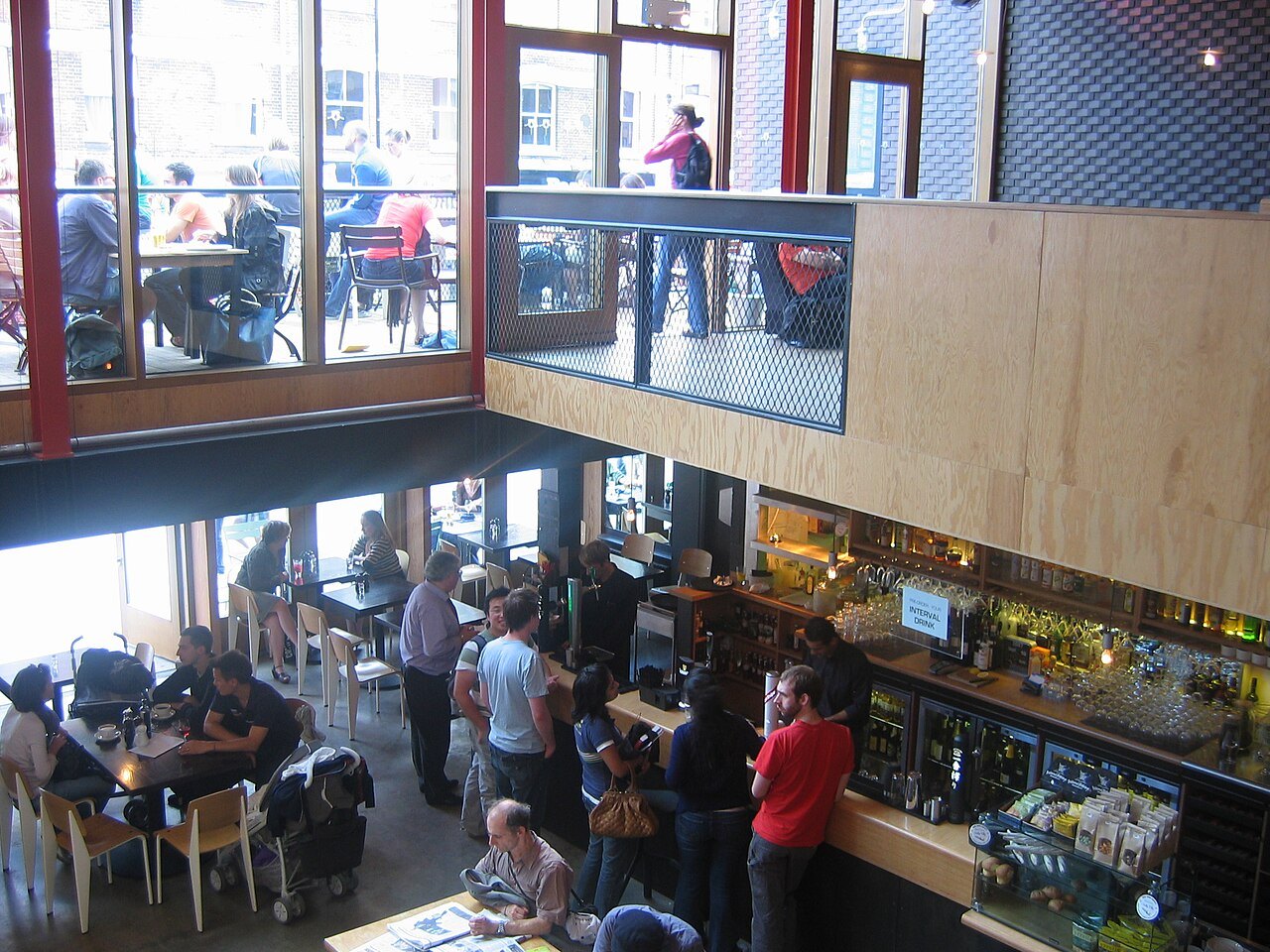

A theatre interval is limited in length, and the foyer can be busy. Trying to get a drink, visit the cloakroom, make a call and have a long discussion can quickly create a rush. Decide which part of the break actually matters to you.
Check the announced interval
Not every performance has an interval, and not every pause in the action is one. Read the information for the particular production. If the interval length is not given, ask staff.
Before leaving the auditorium, note the door, level and seating area. This saves time when several entrances look similar. Agree on a clear meeting point with companions if you take different routes.
Do one necessary thing first
If a toilet visit is important, do not leave it until the final moment before the restart. If you simply want to stand up briefly, that need not become a trip through the entire building. Check which areas are accessible during the interval.
A drink can be pleasant but is not an obligatory part of the evening. Pre-ordering and taking drinks into the auditorium depend on venue rules. Do not assume either is available, and leave enough time to return.
A simple group arrangement can help: two people collect drinks while others remain at the agreed location, if that suits everyone. Ask about preferences first. Unrequested orders tend to create extra journeys and misunderstandings rather than reduce them.
Keep the conversation open
Rather than demanding a final verdict immediately, exchange one observation: which scene surprised you, or which question remains open? This leaves room for the second part to change your impression.
Pay attention to restart announcements and return in time. The conversation can continue after the performance. If you need the interval as a quiet break, tell your companions briefly; attending together does not mean talking together every minute.
Simplify a short interval
If the interval is short, choose one reachable area rather than touring the building. Standing up, briefly looking out from the foyer and returning may be enough. When attending with someone who needs longer for walking, use that pace as the basis of the plan rather than trying to catch up when the performance is restarting.