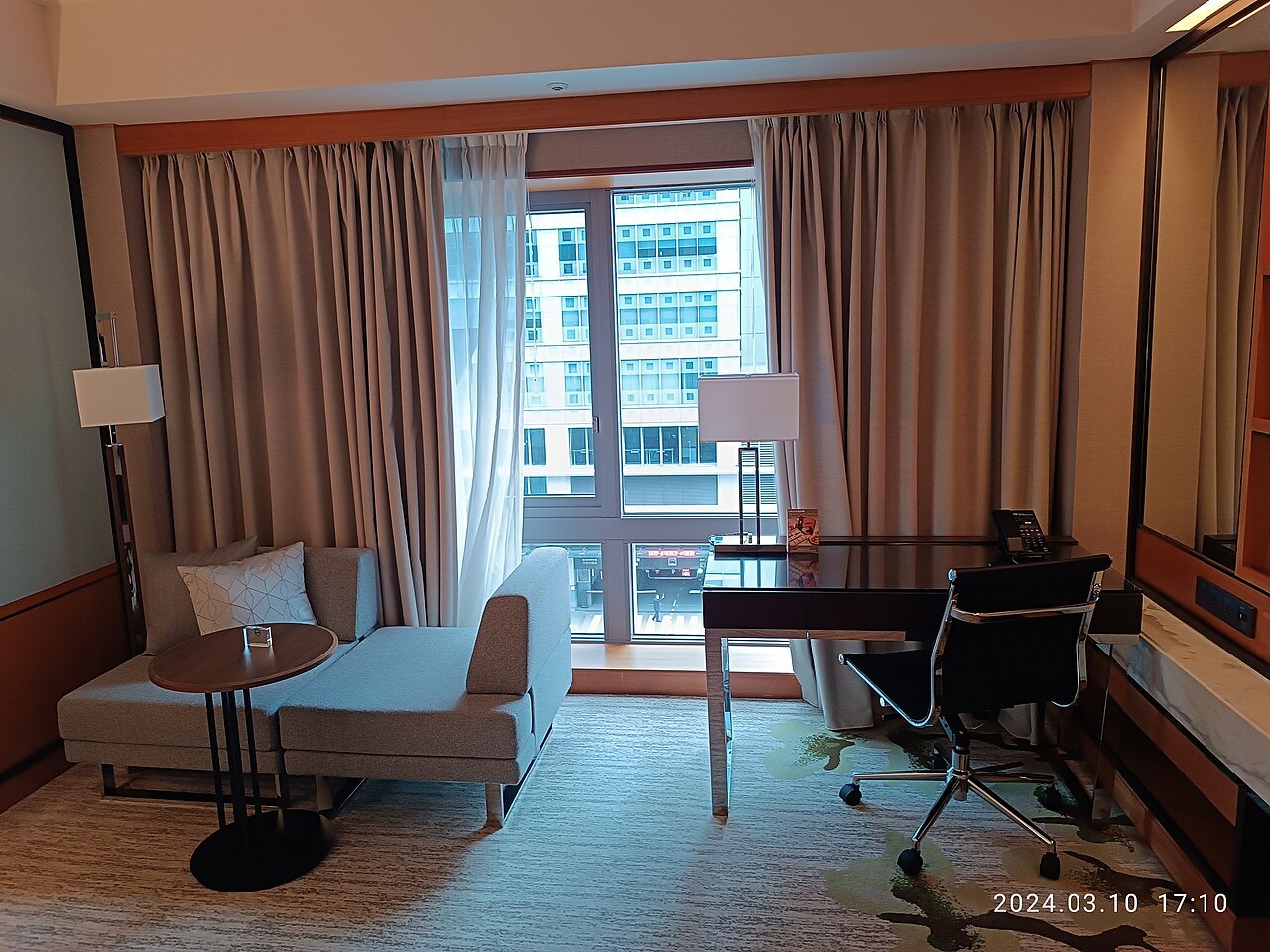
A bright window may appear as a distinct reflection on the screen or make the whole image seem less contrasty. Both are often described as a picture being too dark, although their causes differ. Before making large adjustments to picture controls, examine the room. What matters is where light falls and what becomes visible on the screen surface from the normal seat.
Identify the troublesome light source
Look at the switched-off screen, or a dark image, from your seat. Can you identify a window, lamp or bright surface behind you? Change only that light source temporarily where practical. Closing a curtain or redirecting a lamp reveals whether that particular reflection causes the difficulty.
Check at the time you actually watch television. A room that works in the morning may look different in low evening light. Artificial lighting matters too. A lamp that illuminates the room pleasantly can appear directly in the display from a side seat.
Record separately whether one reflection is distracting or dark scenes are generally difficult to follow. That description helps select a response. Increasing overall picture brightness does not necessarily remove a reflection.
Change the room before losing picture detail
Compare another seat, a different lamp direction and a workable window covering. Change one thing at a time. This reveals what helps without unnecessarily redesigning the whole room. If moving a television on furniture, stability and adequate cable length must still be maintained.
Only then compare a picture mode intended for the room using the same scene. An especially vivid mode may attract attention while altering colours or bright detail. Do not choose solely by the brightest impression. Examine faces, dark clothing and bright surfaces to see whether tonal distinctions remain visible.
With projection, room light also reaches the image surface. A different screen may influence particular lighting conditions but is not a universal answer to stray light from every direction. Surface, projector type and position need to match. Check that combination with the supplier before treating a specialised surface as a substitute for controlling light.
Keep a workable everyday arrangement
Once the arrangement works, note the lighting position and picture mode. A straightforward change between daytime and evening use may be more useful than repeatedly adjusting individual values. If the picture later looks different, first check whether room lighting has changed. This preserves a clear explanation instead of starting again with every setting.