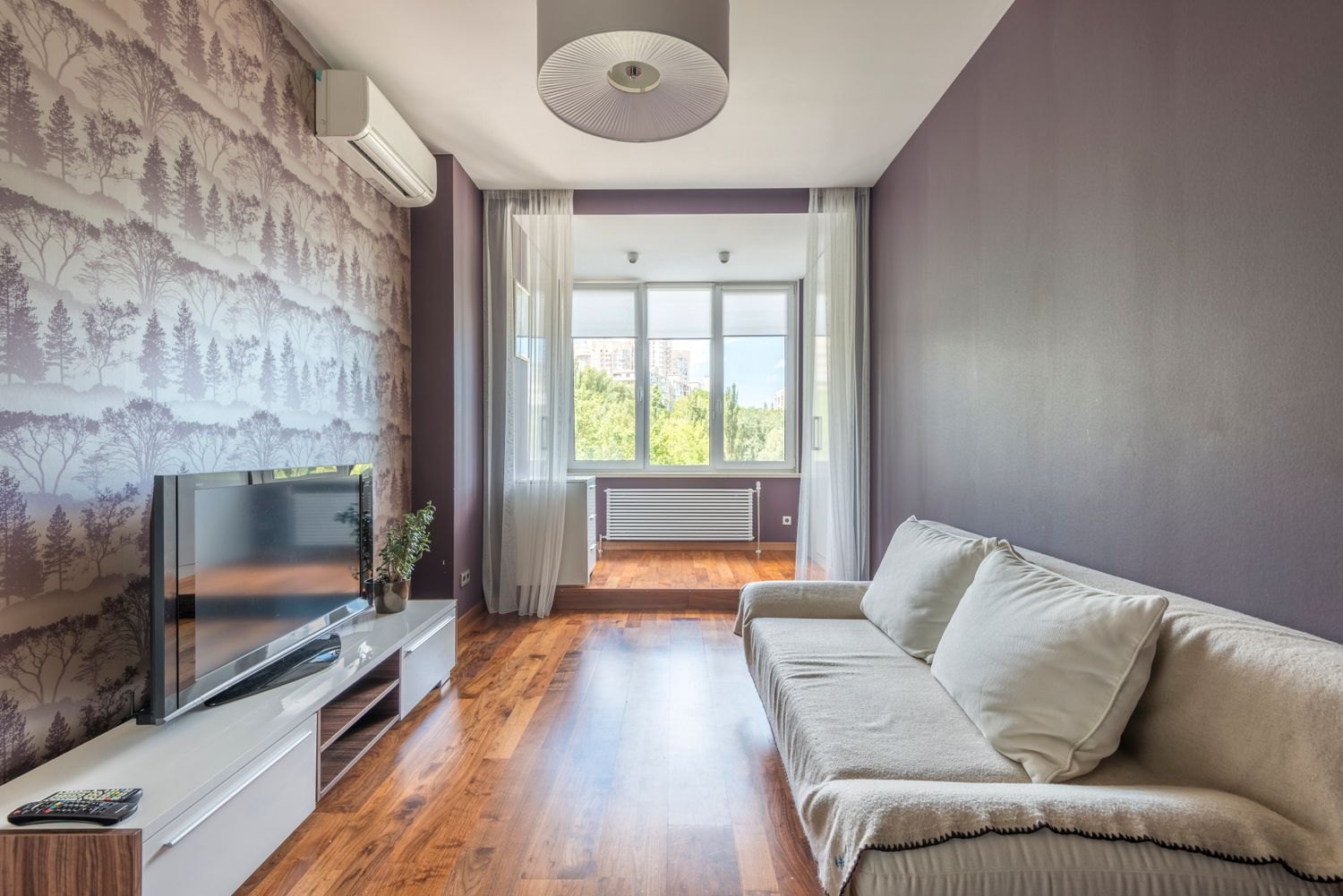
One distance figure cannot decide which screen size feels comfortable for everyone. Resolution, content and personal preferences matter alongside seating position. Some people want a more enveloping image; others prefer to take in a whole scene with less eye movement. Treat viewing-distance recommendations as a starting point for comparison rather than a rule that overrides your experience.
Measure from the eyes to the image
Measure in your normal seated posture. Wall-to-sofa-edge distance is not the same as the distance from your eyes to the screen surface. Also account for whether the television stands on furniture or will later be closer to the wall. Such differences can change a plan that appears suitable on paper.
Consider other seats as well as the central position. Off-centre viewing can alter the image and make subtitles less comfortable to follow. A screen that suits one person is therefore not automatically ideal for the group. Record which positions are actually used regularly.
Compare two sizes with the same material
Mark possible dimensions or compare displays under reasonably similar conditions. Do not use only high-resolution demonstration footage. A subtitled conversation, a slow camera movement and an ordinary television programme reveal different demands. Notice whether information is easy to follow or your gaze repeatedly travels across large distances.
Higher resolution can show more detail with suitable content, but it does not automatically make every distance comfortable. A larger picture likewise does not add detail to low-resolution material. Separate the question of visible image structure from how much of your field of view you want to occupy.
Do not arrange the room for the image alone
At the chosen size, check that doors, speakers and walking routes still work. A larger television may force a higher position if existing furniture is too narrow or objects obstruct it. The change then affects viewing angle as well as size. Reassess the combination instead of treating the original distance in isolation.
If several people are uncertain, spend longer comparing rather than deciding during one impressive scene. A suitable size works with your usual content and seats. A numerically impressive diagonal is not a purpose in its own right.