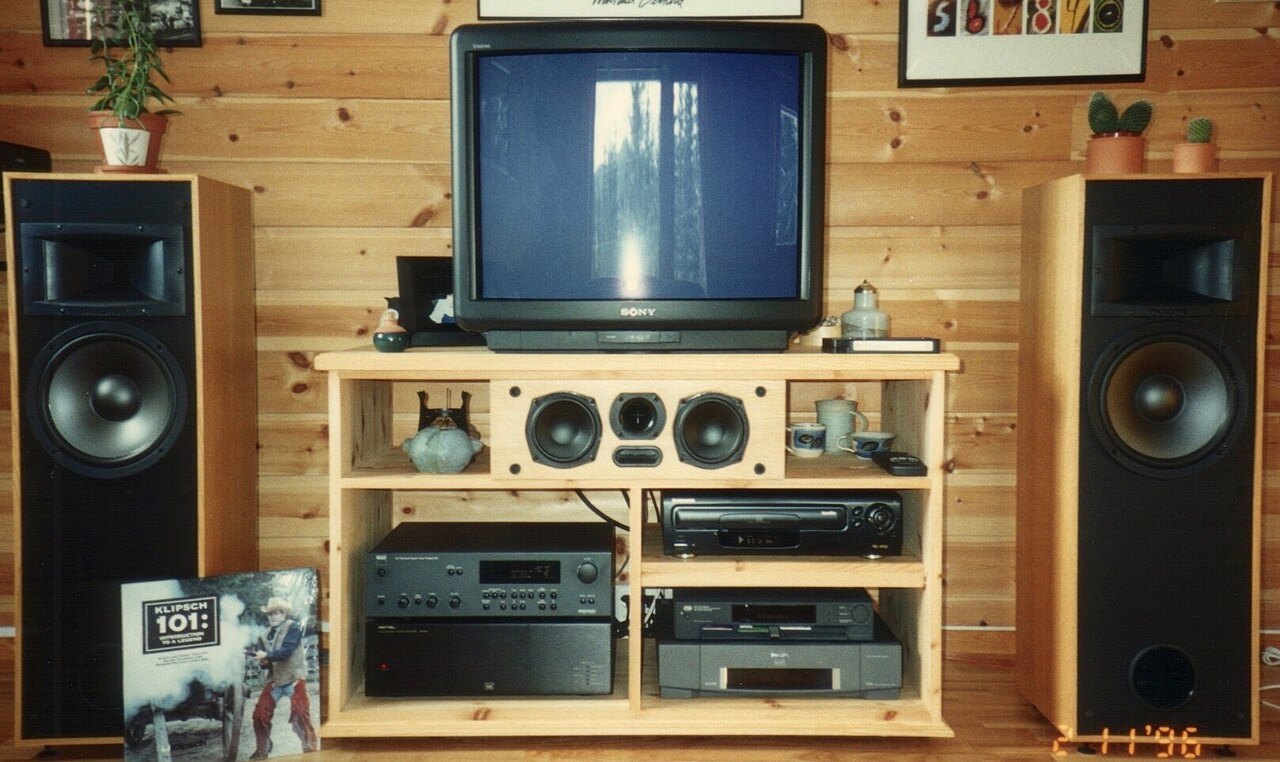

Turning up the volume is only one response when dialogue is hard to follow. Incorrect channel configuration, obstructed speakers, strong reflections or the film's mix may also contribute. Work through the possibilities using a familiar conversation scene. The aim is to narrow down the cause rather than activate several sound functions at once and lose track of their effects.
Is the difficulty limited to one source?
Compare a second recording through the same playback chain. If only one film is affected, its mix or selected soundtrack may matter. Check language and track description. An alternative language version may have a different mix without any change to your system. Subtitles are another form of support, not evidence of a technical fault.
If all sources are affected, try a simpler output, such as built-in television speakers versus the external system where convenient. This isolates parts of the chain. It is not a fair sound-quality contest while levels and processing differ.
Check channel assignment and the centre speaker
In a multichannel system, much dialogue may be carried by the centre speaker. Check that the configured speaker count matches the equipment actually connected. A channel marked present but not connected can produce incorrect playback. Use the provided test functions and manual rather than changing formats randomly.
If the centre sits behind an edge, deep inside an enclosed compartment or aimed at the floor, address that position first. Its output should be directed towards the listening seats according to the manufacturer's guidance. Raising centre level may help a correctly configured system but does not solve a fundamentally obstructed or misconnected speaker.
Stereo systems and soundbars distribute speech differently. Do not transfer a centre-channel recommendation to every setup. Examine the controls actually available and their explanations instead.
Treat dynamics and the room separately
Some equipment offers speech emphasis or reduces differences between quiet and loud passages. These are not necessarily the same function. Dynamic processing may feel useful at low listening levels but changes level relationships. Compare the same dialogue with it off and on, retaining only a setting whose effect you understand.
Room reflections can further blur speech. Large hard surfaces and considerable speaker-to-listener distance are possible areas to examine. Rugs or curtains affect some reflections but do not guarantee complete acoustic correction. Compare seating and one simple change before planning major work.
After each step, note what improved. Clearer dialogue accompanied by unnatural-sounding music is an identifiable compromise. A saved evening setting may be useful provided it does not silently become an unchangeable rule for every piece of content.
Turn an observation into a comparison
Suppose news from a television application is clear but a film from that same application is not. This initially establishes only a difference between content. Replay a familiar dialogue passage and identify whether difficulty occurs in quiet sections, under music or continuously. That more precise description helps select an appropriate adjustment.
If every item from an external player is affected instead, compare its output route with the internal application. Document the selected audio format and speaker configuration. A multichannel signal being handled inappropriately requires different investigation from a film with deliberately wide loudness contrasts.
For several household seats, make another distinction: does everyone struggle with the same passage, or only one person at a side position? Check the excerpt from another position without changing volume. This can reveal the contribution of seating and the room without prematurely assuming that new equipment is the solution.